

Hydraulic hoses are essential to the safe and reliable operation of hydraulic equipment. A damaged hose can lead to fluid leaks, equipment downtime, component damage, and serious operator injuries. Regular hydraulic hose inspections can help identify problems before they become costly or dangerous failures.
At Hydraquip, hydraulic hose inspection and replacement are an important part of supporting reliable fluid power systems. Whether you’re maintaining mobile equipment, industrial machinery, or a custom hydraulic system, knowing what to look for during a hose inspection can help prevent unexpected failures.
Safety First: Never inspect or repair a hydraulic hose while equipment is operating or the system is pressurized. Before performing an inspection or repair, safely shut down the equipment, relieve hydraulic pressure, control stored energy, and follow applicable company safety procedures and lockout/tagout requirements. Never use your hand to search for a hydraulic leak. High-pressure hydraulic fluid can penetrate the skin and cause a serious injection injury.
This hydraulic hose inspection checklist walks through what to look for, when to inspect hoses, and what to do when damage is found. Inspection, routing, replacement, and maintenance should follow the equipment manufacturer’s recommendations and applicable industry practices, including guidance such as SAE J1273.
Why Are Hydraulic Hose Inspections Important?
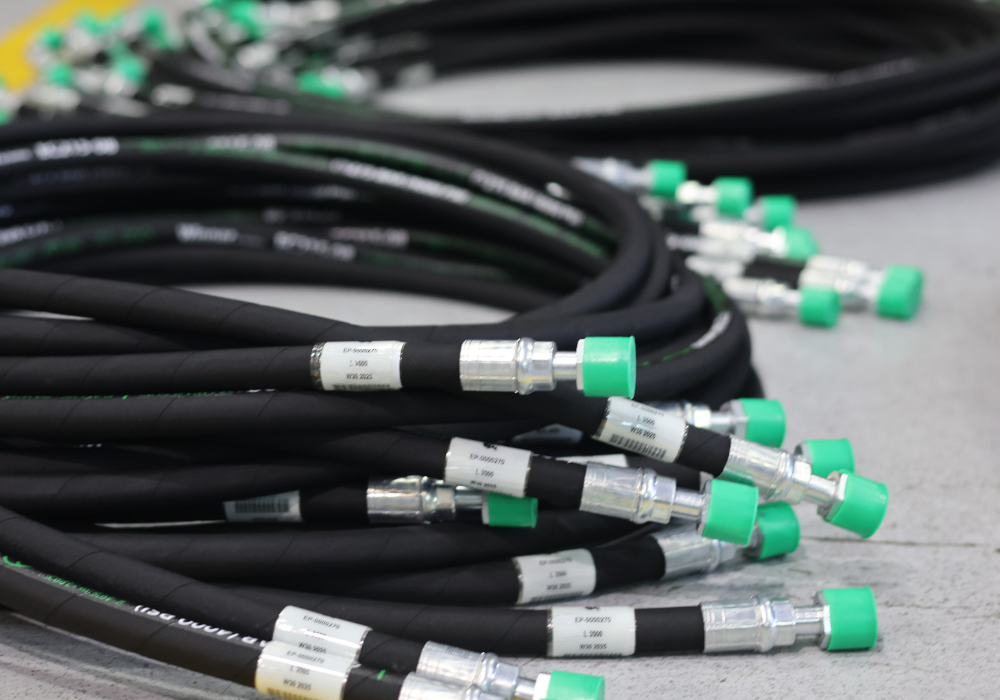
Hydraulic hoses operate under high pressure and are exposed to heat, vibration, abrasion, chemicals, and repeated movement. Over time, these conditions can weaken the hose and its connections.
Routine inspections can help:
- Identify damage before a hose fails
- Prevent unexpected hydraulic fluid leaks
- Reduce equipment downtime
- Extend hose service life
- Protect hydraulic components
- Reduce the risk of hydraulic injection injuries
- Identify installation or routing problems
A visual inspection only takes a few minutes, but it can help prevent much larger equipment and safety issues down the line.
When Should You Inspect a Hydraulic Hose?
Hydraulic hoses should be inspected regularly as part of a preventive maintenance program. The appropriate inspection frequency depends on the equipment, application, operating environment, duty cycle, and manufacturer recommendations.
The most essential times to inspect hydraulic hoses include:
- Before operating equipment, when practical
- During scheduled preventive maintenance
- After a hose has experienced unusual pressure or temperature conditions
- After equipment has been serviced or modified
- When a hydraulic leak is suspected
- After exposure to chemicals, extreme temperatures, or severe abrasion
- Whenever a hose appears damaged or behaves differently than expected
If a hose is used in a highly demanding application with frequent movement, high pressure, extreme temperatures, or significant abrasion, more frequent inspections may be necessary.
Hydraquip can help identify recurring hose problems and recommend appropriate replacement assemblies when an inspection reveals a larger system or application issue.
Hydraulic Hose Inspection Checklist
Click HERE for a downloadable hydraulic hose inspection checklist.
A thorough hydraulic hose inspection should evaluate the hose cover, reinforcement, fittings, connections, routing, and surrounding environment.
1. Check for External Abrasion
Look for areas where the hose cover has become worn or damaged from contact with other components.
Common causes include:
- Hose-to-hose contact
- Contact with equipment frames
- Improper clamps or supports
- Repeated vibration
- Incorrect routing
Minor surface wear can eventually expose the hose reinforcement. Exposed reinforcement compromises the hose’s ability to safely contain hydraulic pressure and is a condition that requires immediate evaluation and, when the assembly is compromised, removal from service and replacement.
When Hydraquip technicians evaluate a failed or damaged hose, identifying the source of abrasion is important. Simply installing another hose in the same location may result in another premature failure.
2. Look for Cuts, Cracks, and Splits
Inspect the entire length of the hose for cuts, cracking, splitting, or other deterioration.
Pay particular attention to:
- Deep cuts in the outer cover
- Cracking around bends
- Surface cracks caused by aging or ozone exposure
- Splits or tears
- Areas where reinforcement is exposed
Cracking can indicate that a hose has been exposed to excessive heat, environmental conditions, or aging.
If damage compromises the hose assembly, it should be removed from service and replaced rather than patched or temporarily repaired.
If you’re unsure whether the damage requires replacement, Hydraquip’s hydraulic hose specialists can help evaluate the assembly and determine the appropriate next step.
3. Check for Bulges or Blisters
Bulges, bubbles, and blisters in the hose cover can indicate internal damage or deterioration.
A significant bulge should not be considered safe simply because the hose is not leaking yet. It may indicate structural damage that could eventually result in sudden failure.
Do not puncture or cut a bulge to release trapped pressure. Remove the hose from service and replace the assembly as appropriate. If a hose has developed a bulge or is repeatedly failing in the same location, the replacement should be selected based on the actual operating conditions of the system, not simply by matching the previous hose.
4. Inspect Hose Fittings and Connections
The hose itself may appear to be in good condition even when the fittings or connections are damaged.
Inspect fittings for:
- Leaks
- Corrosion
- Damaged threads
- Cracks
- Loose connections
- Improper alignment
- Signs of mechanical damage
Also inspect the area where the hose connects to the fitting. Damage or separation at the fitting can indicate an assembly problem or excessive mechanical stress.
A properly built hose assembly requires more than selecting the correct hose. Hose size, fitting type, connection style, pressure rating, and application all need to work together.
Hydraquip provides custom hydraulic hose assemblies to help ensure hose and fitting selections are properly matched to the application.
5. Look for Hydraulic Fluid Leaks
Hydraulic fluid around a hose or fitting is a significant warning sign that should not be ignored.
Look for:
- Visible drips
- Wet areas
- Fluid residue
- Spraying or misting
- Fluid around fittings
Never use your hand to search for a hydraulic leak. High-pressure hydraulic fluid can penetrate the skin and cause a serious injection injury, even when the leak is extremely small.
If a leak is suspected, safely shut down the equipment, relieve system pressure, control stored energy, and follow applicable company safety and lockout/tagout procedures before inspecting or repairing the system.
If a leak is found, Hydraquip can help identify whether the issue is coming from the hose, fitting, connection, or another component within the hydraulic system.
6. Check Hose Routing
Correct hose routing is essential to hydraulic hose performance and service life.
Look for hoses that are:
- Kinked
- Twisted
- Crushed
- Excessively bent
- Rubbing against equipment
- Installed too close to moving components
- Operating below the required bend radius
A hose should be routed so it can move naturally without unnecessary tension, compression, or twisting. Proper routing practices should follow the hose manufacturer’s recommendations and applicable industry guidance such as SAE J1273.
Improper routing can cause premature failure even when the correct hose was originally selected.
When replacing a failed hose, Hydraquip can help evaluate routing and installation conditions so the replacement assembly is appropriate for the actual movement and operating environment.
7. Inspect for Heat Damage
Excessive heat can accelerate hose deterioration.
Look for:
- Hardened or brittle hose covers
- Discoloration
- Cracking
- Burn marks
- Melted areas
- Deterioration near hot components
Check both the hydraulic fluid temperature and the environmental conditions around the hose. A hose can experience damaging heat from nearby exhaust systems, engines, manifolds, or other components even when the hydraulic system itself is operating normally.
If heat appears to be contributing to repeated hose failures, the solution may involve more than replacing the hose. Hose selection, routing, shielding, operating temperature, and other system conditions should all be evaluated.
8. Check for Corrosion or Chemical Damage
Hydraulic hoses can be exposed to chemicals, cleaning agents, salt, moisture, and other environmental conditions that can cause hose or fitting deterioration.
During an inspection, look for:
- Corroded fittings
- Swollen or softened hose covers
- Discoloration
- Cracking
- Surface-wide deterioration
The hose, tube, cover, and fittings must be compatible with the fluids and environmental conditions present in the application.
Hydraquip can help determine appropriate hose construction and components when an application involves demanding environmental conditions or specialized hydraulic fluids.
What Should You Do If You Find Hydraulic Hose Damage?
If you inspect a hydraulic hose and find damage, do not simply ignore it until the next maintenance period. Conditions that compromise a hose assembly should be evaluated immediately and, when the assembly is no longer suitable for service, the hose should be removed and replaced rather than patched or temporarily repaired.
The appropriate response depends on the type and severity of the damage, but the process generally includes:
- Safely shut down the equipment.
- Relieve hydraulic system pressure according to the manufacturer’s specifications.
- Control stored energy and follow applicable lockout/tagout procedures.
- Identify the damaged hose and its application.
- Determine why the damage occurred.
- Select the correct replacement hose and fittings.
- Install the replacement using proper routing and bend radius.
- Inspect the completed installation before returning the equipment to service.
This is where working with an experienced hydraulic hose supplier can make a difference. Hydraquip can help identify the correct replacement hose and fittings while also evaluating potential causes of premature failure.
If the same hose repeatedly fails in the same location, replacing it without addressing the underlying cause may only result in another failure.
When Is a Hydraulic Hose Unsafe to Use?
A hydraulic hose should be removed from service when damage compromises its structural integrity, pressure containment, or overall suitability for the application.
Common warning signs include:
- Exposed reinforcement
- Severe abrasion
- Deep cuts or splits
- Bulges or blisters
- Significant cracking
- Hydraulic fluid leaking through the hose cover
- Damaged fittings
- Severe kinking or crushing
- Heat or chemical damage
- Any other condition that compromises the hose assembly
These conditions should be evaluated immediately. Do not continue operating equipment with a hose that may no longer be capable of safely containing hydraulic pressure.
When in doubt, consult a qualified hydraulic professional rather than continuing to operate equipment with a questionable hose.
Hydraquip’s hydraulic service and hose assembly capabilities can help customers evaluate damaged assemblies and determine the appropriate replacement solution.
Hydraulic Hose Inspection vs. Hydraulic Hose Replacement
Inspection and replacement are two important parts of a preventive maintenance process.
Regular inspections help identify deterioration before failure occurs, while timely replacement removes damaged or compromised assemblies from service.
If a hose is showing multiple warning signs, has reached the end of its useful service life, or has experienced repeated failures, replacement may be the safest option.
Hydraquip can support the process from identifying the correct replacement hose and fittings to building and supplying the finished hydraulic hose assembly.
Frequently Asked Questions About Hydraulic Hose Inspection
How do you inspect a hydraulic hose?
Inspect the entire hose assembly for abrasion, cuts, cracks, bulges, leaks, exposed reinforcement, heat or chemical damage, fitting problems, and improper routing. Any damage that compromises the hose should be addressed before returning the equipment to service.
What are the most common signs of hydraulic hose damage?
Common warning signs include visible abrasion, cracking, cuts, bulges, leaks, exposed reinforcement, damaged fittings, heat or chemical deterioration, and improper routing.
Can you repair a damaged hydraulic hose?
Damaged hydraulic hose assemblies should generally be replaced rather than patched or repaired in the field. The appropriate replacement method depends on the hose, assembly, and application. Hydraquip can help determine the appropriate replacement assembly for the system.
How often should hydraulic hoses be inspected?
Inspection frequency depends on the application, operating environment, pressure, temperature, duty cycle, and manufacturer recommendations. Hoses in demanding applications may require more frequent inspection.
What does a failing hydraulic hose look like?
A failing hydraulic hose may show cracks, abrasion, bulges, leaks, exposed reinforcement, heat damage, chemical deterioration, or problems around the fittings. Changes in hose appearance should be investigated before failure occurs.
Where can I get a hydraulic hose inspected or replaced?
Hydraquip provides hydraulic hose assembly, replacement, service, and repair solutions for a wide range of fluid power applications. Its team can help identify hose issues, determine appropriate replacement specifications, and provide hydraulic hose assemblies suited to the application.
Keep Your Hydraulic System Safe With Hydraquip
Regular hydraulic hose inspections are one of the simplest ways to identify potential problems before they result in equipment downtime or a safety incident. A consistent inspection process can help maintenance teams catch abrasion, leaks, improper routing, and other conditions that shorten hose service life.
However, identifying a damaged hose is only the first step. Selecting the correct replacement and understanding why the hose failed are equally important for preventing repeat problems.
Hydraquip provides hydraulic hose assembly, replacement, service, repair, and fluid power solutions to support demanding hydraulic applications.
Need help identifying a damaged hose or recurring hose failure? Contact Hydraquip for hose assembly support, replacement recommendations, and application review.