

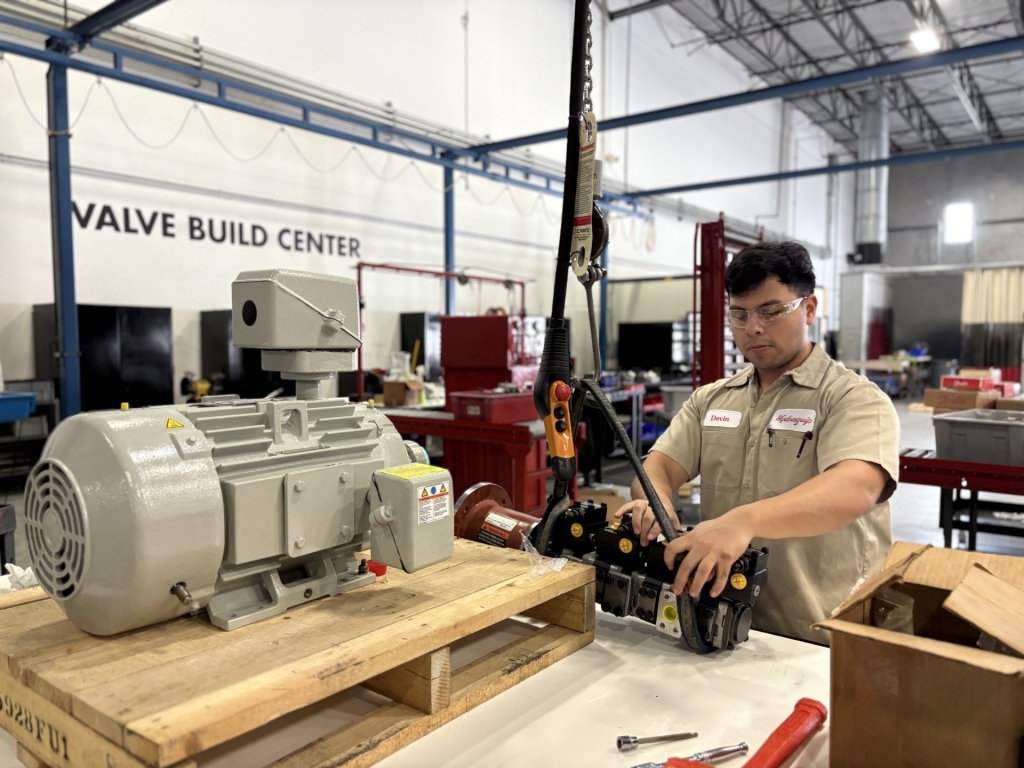
Hydraulic systems in Houston-based petrochemical plants, construction machinery, and material handling facilities rely on precisely controlled fluid pressure (up to 5000 psi in some applications) and consistent flow rates to maintain production efficiency. Any deviation in pressure or fluid viscosity can lead to critical failures and costly downtime for Houston facilities.
Luckily, most large-scale hydraulic failures don’t happen without warning and most often stem from preventable issues. Because of this, investing in reliable service and repair is paramount for protecting your hydraulic system from failures including contamination, component wear, and improper maintenance. At Hydraquip, we prioritize not only providing our valued clients with factory-authorized service and repair, but also educating customers on the dangers of lackluster support for your hydraulic system. Use this blog as your guide to the top four most common causes of hydraulic failure and how Hydraquip can help prevent downtime and system failure.
1. Contamination: The #1 Cause of Hydraulic System Failure in Houston
The most common reason that hydraulic systems in Houston industrial facilities fail is contamination from particles larger than 4-6 microns, which can degrade fluids and cause cavitation. This could be caused by variety of particle types, including:
- Solid particles
- Water
- Air within the fluid
Professional repair for hydraulic systems in Houston is essential for preventing contamination from leading to serious breakdowns and downtime. Hydraquip not only offers precise and reliable repair services, but also advanced diagnostic and testing capabilities that include fluid analysis, filtration improvements, and flushing procedures specifically geared toward preventing contamination from causing larger, more expensive problems in the future.
2. Overheating and Fluid Degradation: How Houston Temperatures Affect Your Equipment
Another common cause of hydraulic failure is overheating. Many hydraulic systems in Houston operate at incredibly high temperatures, which overtime can break down fluid viscosity, reduce critical lubrication, damage seals, and lead to significant Nitrile seal leakage. Excessive heat can also trigger early pump cavitation, leading to reduced flow and increased system wear. When overheating is left unaddressed, it can lead to warping or damage of internal components and widespread system failure.
At Hydraquip’s Houston-based service and repair center, our team of certified technicians do a full product teardown prior to servicing in order to gain a completely accurate diagnosis for the component. This is integral when it comes to diagnosing overheating within a hydraulic system and can prevent small, repairable issues from growing into large-scale failures in a matter of weeks.
3. Component Wear: Identifying Trouble Before Downtime Hits
The third most common cause for hydraulic system failure is component wear. Hydraulic systems are made up of many moving parts, including pumps, motors, valves, and actuators. All of these components break down over time with average use, but when loads are exceptionally high, a single part becomes slightly misaligned, or lubrication is not kept up the wear can accelerate rapidly. As key components begin to fail, the effects will ripple across the entire system and can cause a loss of pressure, slower cycle times, and even complete system shutdown.
Hydraquip’s shop and field capabilities include detailed component inspection, teardown evaluations, and detailed performance testing. By using robust test stands and certified procedures to assess pumps and motors, our team can determine whether parts should be repaired or replaced in order to best protect the rest of the system. Catching wear early and performing precise repairs with OEM-grade parts is paramount for extending equipment life and preventing downtime that could cost thousands in lost productivity and replacements.
4. Maintenance Mistakes: Preventable Failures Every Facility Faces
In most cases, improper maintenance is the most easily preventable type of hydraulic system failure. This includes key aspects of system upkeep such as:
- Skipping scheduled fluid changes
- Using the incorrect type of fluid
- Ignoring warning signs
Hydraquip’s service and repair solutions help clients switch from reactive to preventive maintenance–allowing you to avoid expensive emergency replacements and instead rely on predictable repair costs. Evaluation reporting and detailed diagnostic insights help by revealing early wear or system degradation before system-wide failure occurs
With scheduled inspections and performance tracking, certified technicians are able to recommend targeted maintenance or upgrades that keep your systems performing at peak efficiency while reducing surprise breakdowns and budget overruns.
How Hydraquip Helps Avoid Downtime for Your Hydraulic System in Houston
Downtime can be extremely costly, not just when it comes to high repair bills but also in lost production, labor inefficiencies, and delayed deadlines. By investing in professional service and repair through Hydraquip, you can reduce these risks by prioritizing accurate diagnosis, experienced technicians, and factory-authorized repair processes. In our Houston warehouse, we don’t just fix symptoms, we strive to pinpoint root causes by using advanced testing tools and comprehensive evaluation reports–helping keep your hydraulic system running at top capacity.
FAQs: Hydraulic Repairs and Service in Houston & Texas
Q: What types of hydraulic equipment can be repaired locally in Houston?
A: Hydraquip’s Houston-based service and repair center can service a variety of hydraulic system components, including:
- Hydraulic pumps
- Hydraulic motors
- Valves and manifolds
- Cylinder and actuators
- Filtration systems
- Hydraulic power units (HPUs)
Our certified technicians ensure fast, precise repairs to keep hydraulic systems in Houston running efficiently.
Q: What are the warning signs that a hydraulic system needs professional repair?
A: Common warning signs that indicate a hydraulic system requires professional service include:
- Unusual noises such as knocking, whining, or hissing
- Slow, jerky, or inconsistent actuator movement
- Loss of system pressure or reduced operational efficiency
Addressing these issues quickly with Hydraquip’s certified repair services can prevent costly downtime and extensive equipment damage.
Q: Does Hydraquip provide hydraulic system troubleshooting at Houston job sites?
A: Yes. Hydraquip offers certified field service technicians in the Houston area who can travel directly to facilities or job sites to troubleshoot hydraulic system failures.This eliminates the need to transport large machinery to a shop, reducing downtime and keeping operations running at full capacity. Our team can assess pumps, motors, valves, and other components directly at your facility for fast, efficient service.
Q: How can Houston industrial facilities prevent hydraulic system contamination?
A: Houston industrial facilities can prevent hydraulic system contamination by implementing a proactive maintenance program that includes regular fluid analysis, high-quality filtration, and scheduled flushing. Hydraquip helps facilities with advanced diagnostic testing and filtration upgrades to keep hydraulic systems in Houston running clean and efficiently.
Q: What is the cost of hydraulic system downtime in Texas industrial facilities?
A: Hydraulic system downtime in Texas industrial facilities can be extremely costly, often ranging from thousands to tens of thousands of dollars per day. Costs include lost production, labor inefficiencies, delayed shipments, and emergency repair expenses. Preventative maintenance and timely repairs from certified providers like Hydraquip can significantly reduce these risks.
Q: How often should hydraulic systems in Houston plants be serviced?
A: The frequency of hydraulic system servicing depends on operating conditions, workload, and fluid type, but most Texas industrial facilities benefit from quarterly inspections and annual comprehensive maintenance. Hydraquip offers scheduled service programs and predictive diagnostics to ensure your hydraulic equipment remains reliable year-round.
Q: Can Hydraquip perform on-site hydraulic diagnostics in Houston?
A: Yes. Hydraquip provides on-site hydraulic diagnostics and repair services throughout Houston and surrounding areas. Our field technicians can evaluate pumps, motors, valves, and other components directly at your facility, minimizing downtime and eliminating the need to transport large equipment to a repair shop.
Contact us today to schedule your hydraulic assessment.